
Comms Under Pressure: Radio Discipline for Real People
Simple procedures to keep small teams talking when the grid fails.
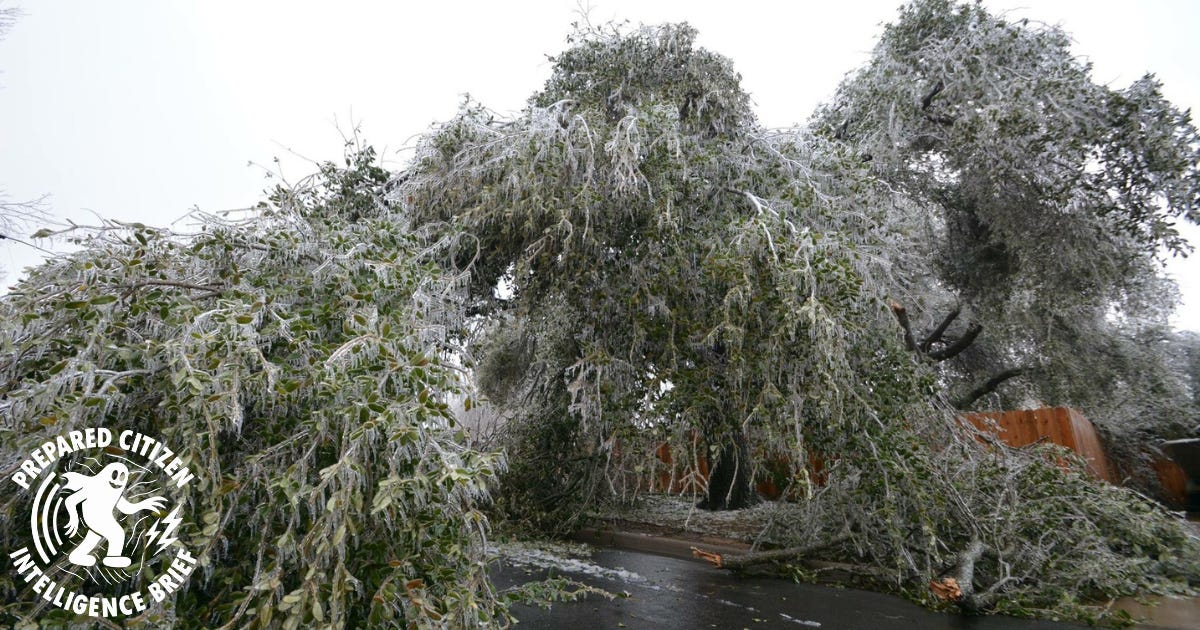
The ice storm hit hard.
Power’s been out three days, and cell towers died the first night.
The only sounds now are wind through frozen trees and a few generators humming in the distance.
A small mutual-aid group of four households that planned together months ago keeps in touch by radio.
Two members check on nearby families who might be without heat or medication.
Back at the main location, one tends the stove and tracks fuel, while another scans local channels for weather updates and chatter from other trusted groups.
At 2100, the lead keys the mic.
“Lead to Base, radio check.”
A pause, then: “Base copies. All good here.”
Communication is survival. When phones and networks fail, a communication plan keeps order and calm.
Keeping Contact When Networks Die
Modern life leans on fragile systems: power lines, fiber, cell towers, cloud servers.
Knock out one or two, and the rest will start to fall…rapidly.
When that happens, you may not be able to wait for the grid to fix itself. You switch to your own network….radios.
The Baofeng UV-5R is still the best low-cost starting point.
For around twenty bucks, you get a handheld radio that talks several miles, hits repeaters, and runs on rechargeable batteries.
The antenna detaches for upgrades, and with a small solar panel or vehicle charger, it keeps working indefinitely.
No license is needed to listen, and none is required for the FRS walkie-talkie channels.
Learn your local airwaves now…weather stations, GMRS chatter, ham repeaters.
Just listening teaches you what’s normal and what’s not.
If you ever need to transmit on ham frequencies in a true emergency, FCC rules allow it to protect life or property. Knowing how to do it before that moment matters.
