
Digital platform instability and rising Middle East conflict signals
Analyst Insight
The dominant change in the last 24 hours is concurrent strain across civilian-facing digital platforms alongside intensified signals of possible US–Iran military conflict.
A connecting pattern is thin-margin reliability: cloud services, payments, and communications show disruption while overseas security events escalate in parallel.
External military posturing and internal infrastructure instability intersect through information access, financial services, and energy risk pathways.
For civilians, confirmed direct impact remains uneven, but exposure to cascading disruption is elevated.
Domestic Security and Civil Unrest
A bomb threat forced the evacuation of a French hard-left party headquarters in Paris, demonstrating continued vulnerability of political offices to low-cost disruption tactics that cause immediate access loss and security response.
No large-scale domestic unrest in the United States was reported in this cycle, but elevated international tensions and domestic evacuations create background conditions where copycat threats remain a latent risk.
Posture: Domestic threat activity remains limited but sensitive to escalation and imitation.
Infrastructure and Grid Alerts
User-reported outages affected major platforms including Google, YouTube, YouTube TV, AWS, Cloudflare, Claude AI, Roku, and multiple gaming services, indicating widespread dependence on shared cloud and content infrastructure.
A reported disruption at USAA affected a major financial services provider, highlighting payment and account-access fragility during broader platform instability.
The clustering of cloud, media, and payment issues in a short window points to systemic dependency rather than isolated service failures.
Posture: Digital infrastructure reliability is strained, with elevated risk of short-notice service loss.
Extreme Weather and Natural Hazards
Multiple wildfires across the Texas and Oklahoma Panhandles burned more than 155,000 acres and triggered evacuations in Beaver, Texas, and Woodward counties, directly affecting housing access, road movement, and emergency services.
A major eruption of Mount Marapi in West Sumatra, Indonesia, blanketed surrounding areas with thick ash, disrupting daily life and air quality for nearby populations.
Posture: Environmental hazards are actively displacing civilians and stressing local response capacity.
International Flashpoints
Multiple explosions were reported in Iran, including in Shahriar involving ammunition and fuel depots and near Shiraz in a mountainous area reportedly associated with missile stockpiles, raising concern about infrastructure damage or attack-related activity.
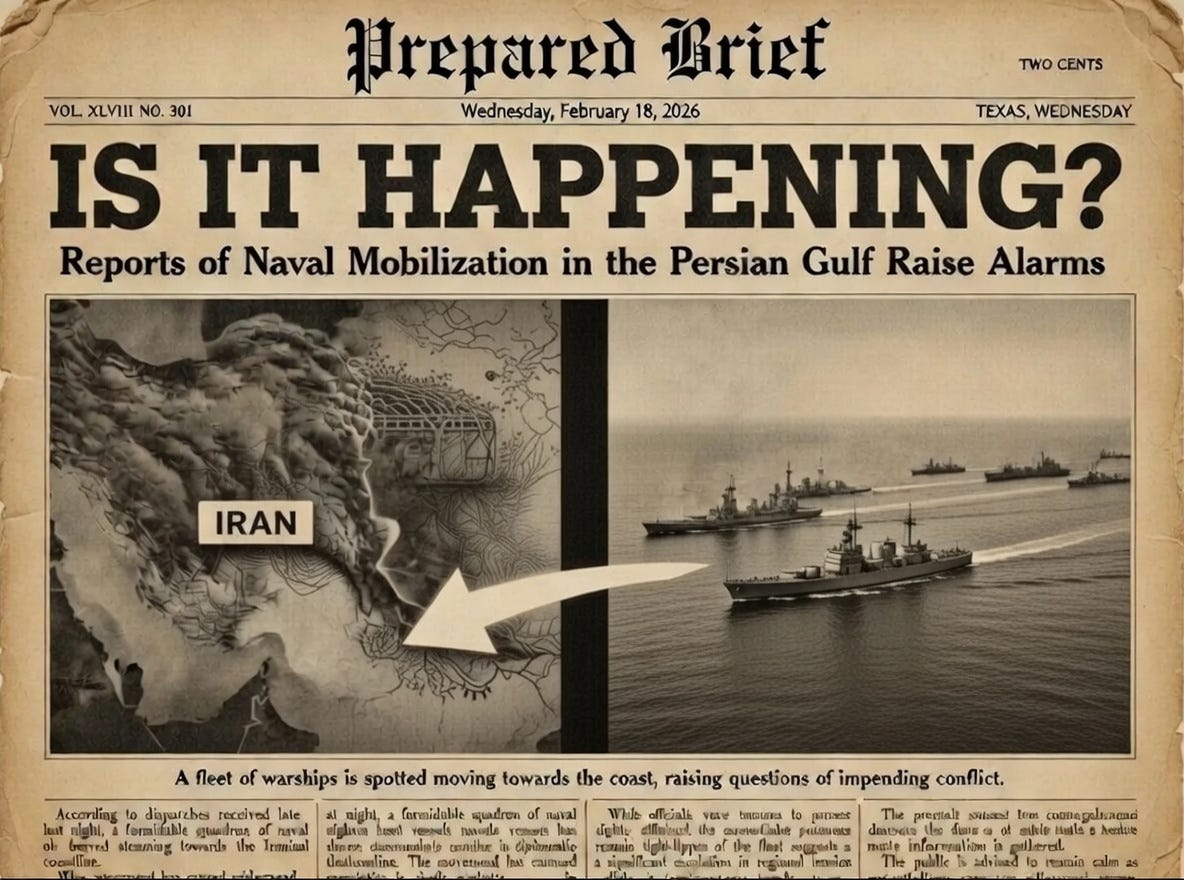
US military movements intensified, with reports of large-scale redeployment of tankers, fighters, early warning aircraft, aircraft carriers, and cargo flights toward the Middle East, signaling preparation for sustained operations.
Public reporting from multiple outlets described the situation as moving closer to open conflict between the United States and Iran, with expectations of a multi-week military operation if initiated.
Russia reportedly restricted access to Telegram, with claims this is tied to preventing coordination or protest amid anticipated mobilization, reducing civilian communication resilience.
An Israeli soldier was killed by friendly fire in Gaza, highlighting active combat conditions with ongoing regional instability.
Political tension inside Ukraine was highlighted by reporting on a 2022 security service raid on former army chief Valerii Zaluzhnyi’s office, indicating internal strain during wartime leadership disputes.
Posture: International conflict signals are elevated with indirect civilian risk through energy, communications, and geopolitical spillover.
Supply Chain and Access Watch
Digital outages affecting cloud providers and financial institutions present short-term risk to payments, account access, and logistics coordination.
Wildfires in the US Panhandles threaten regional fuel movement, road access, and supply delivery to evacuated areas.
Posture: Supply and access risks are localized but vulnerable to compounding disruption.
Signals to Monitor
If additional financial institutions report access problems, civilian payment and payroll posture changes.
If cloud or DNS-related outages expand in duration, expect downstream effects on emergency communications and retail services.
If further explosions or confirmed strikes occur in Iran, anticipate immediate energy market and travel access impacts.
If wildfire evacuations expand, expect strain on shelters, fuel availability, and medical access.
Red Flags
Confirmed loss of power or communications affecting emergency services.
Official announcements of airspace closures tied to Middle East operations.
Mandatory evacuations expanding beyond current wildfire zones.
Widespread payment processing failures.
Preparedness Action Items
Verify access to at least one non-digital payment method due to reported banking and platform disruptions.
Download or print critical documents and maps in case cloud or account access is interrupted.
For residents in the Texas and Oklahoma Panhandles, monitor local evacuation notices and maintain readiness for rapid relocation.
Review alternate communication options if primary platforms or messaging services become unavailable.
Track fuel levels and resupply earlier than normal in areas affected by wildfire activity.
Preparedness Focus of the Day
Redundancy in access matters. This cycle reinforces the value of having offline copies of critical information, multiple communication paths, and flexible payment options when digital systems degrade without warning.