
Analyst Insight
The dominant change in this cycle is high-tempo cartel-linked violence in multiple Mexican states following reported elimination of CJNG leader “El Mencho,” paired with severe Nor’easter impacts across the Northeast U.S.
A connecting pattern is access denial, including road blockades, arson, airport disruption claims, and large-scale weather-driven power and flight disruptions.
Externally, embassy drawdowns and strike talk around Iran add volatility signals, while Ukraine-Russia strikes show ongoing energy infrastructure exposure.
For U.S. civilians, confirmed domestic impact is concentrated in the Northeast storm zone, but cross-border instability and international escalation signals raise the value of conservative travel, communications, and continuity posture right now.
Domestic Security and Civil Unrest
Mexico violence reporting indicates coordinated intimidation and movement denial tactics (burned vehicles, road blockades, arson) used alongside firefights with state forces, which is a pattern that rapidly narrows civilian travel options and compresses decision time.
Multiple posts describe repeated clashes between CJNG gunmen and Mexican federal forces across locations named in Jalisco, Michoacán, and Veracruz, suggesting a wider geographic spread than a single localized incident.
Reports include claims of cartel activity targeting public-facing nodes (bank facility referenced as Banco del Bienestar; and claims of threats at Guadalajara Airport), which is a recurring vulnerability pattern when armed groups try to create cascading disruption beyond the immediate fight.
A senior Mexican government statement posted indicates operations were conducted by federal forces and that activity was “practically” restored with no highway blockades that morning, which signals a potential stabilization attempt but does not remove the risk of rapid re-closure in volatile periods.
U.S. political messaging and social-media rhetoric around cartels appears elevated in the same cycle, which can increase misinformation load and degrade civilian clarity when deciding what is verified versus amplified.
Posture summary: Domestic violence risk indicators in this cycle are driven primarily by reported Mexico events, with the civilian exposure pathway centered on mobility choke points and public infrastructure disruption.
Infrastructure and Grid Alerts
Nor’easter reporting includes large-scale power outages (over 400,000 cited) and blizzard conditions, which creates a reliability problem for heat, medical devices, comms charging, and fuel access in the impact zone.
The same storm reporting highlights extreme flight cancellations and widespread delays at Northeast airports, which is an access and shelter risk when passengers get stranded during worsening conditions.
Separate posts report user-reported disruptions on major platforms (YouTube and Discord via outage reporting), which is a vulnerability for civilians who rely on single-channel communications, status checks, or family coordination during fast-moving events.
In the Ukraine-Russia conflict stream, multiple posts describe a major fire at an oil pumping station tied to Druzhba pipeline flows and downstream political friction around oil transit, indicating continued energy infrastructure fragility and contested supply routing in Europe.
A U.S. Navy collision during underway refueling is cited as a command and readiness disruption event, reinforcing the general pattern that even “routine” logistics can produce sudden operational loss and ripple into availability elsewhere.
Posture summary: Infrastructure strain is highest where weather impacts power and transport, while platform instability signals reinforce the need for redundant comms and offline plans.
Extreme Weather and Natural Hazards
Nor’easter intel describes blizzard conditions in Massachusetts and heavy snowfall totals exceeding 20 inches in places, which increases risk of road closures, stranded drivers, and delayed emergency response.
Forecast-style info describes dangerous wind and heavy snow across New Jersey, NYC, Long Island, Southeastern Massachusetts, and Boston, which raises outage likelihood and creates a compounding travel hazard.
The flight cancellation rate cited (up to 95% at some airports) signals a high probability of prolonged disruption for anyone trying to transit through major Northeast hubs.
High-volume social chatter about snow, even when not operationally useful, is a weak signal that frustration and fatigue are rising in the affected population, which often correlates with higher driving errors and poor decision timing.
Posture summary: Weather posture remains severe in the Northeast impact corridor, with primary civilian risk coming from power loss, travel lock-in, and delayed services.
Border and Immigration
Posts discussing cartel-linked unrest emphasize road blockages and attacks across multiple Mexican states, which can disrupt cross-border movement indirectly through cancellations, route changes, and heightened enforcement posture.
Commentary posts about “reopening” the border appear as political rhetoric rather than an operational notice, but they add noise that can confuse civilians trying to identify real closures versus social-media framing.
References tying Iran, Hezbollah, and cartel networks appear as threat framing and historical linkage claims (including mention of a 2011 plot), which should be treated as signal of narrative escalation rather than a confirmed near-term operational change in border access.
Posture summary: Border posture in this cycle is defined by cross-border instability signals and narrative escalation, not by confirmed U.S. port-of-entry closure data in the provided feed.
Church, Mission, and Civilian Safety
A post reports a West Bank mosque arson during Ramadan attributed to Israeli settlers, which is a civilian safety signal around religious sites and gatherings in a high-tension period.
Embassy evacuation orders and precautionary drawdowns in Beirut increase the risk of sudden access loss for travelers and mission-adjacent personnel who depend on normal consular and support capacity.
Posture summary: Civilian safety signals affecting religious spaces are present internationally in this cycle, with primary exposure pathways through public gatherings and sudden access restriction.
International Flashpoints
Multiple posts state the U.S. Embassy in Beirut evacuated staff and that non-emergency U.S. personnel were ordered to leave, which is a concrete signal of elevated precaution posture tied to anticipated regional developments.
Intel includes escalatory strike talk and public statements about striking Iran being “worth the risk,” which increases uncertainty for regional travel, air routing, and short-notice security changes even without a confirmed strike in the feed.
Several Ukraine-Russia items describe strikes on energy and logistics nodes, missile danger alerts, and claims of drone relay infrastructure in Belarus used for attacks, reinforcing that civilian infrastructure remains entangled with military targeting.
Reports about the Druzhba pipeline node being hit and the linked political response in Hungary indicate energy transit is a leverage point, which can create short-notice shifts in supply, pricing, and diplomatic posture in the region.
Aircraft movement posts (tankers and ferry missions) are presented as monitoring indicators rather than confirmed escalation triggers, but they contribute to a visible backdrop of military positioning that can precede access restrictions.
Posture summary: International posture is elevated by embassy drawdowns and ongoing energy infrastructure targeting, increasing the chance of rapid travel and access changes for civilians connected to the region.
Supply Chain and Access Watch
Nor’easter impacts on flights and power increase near-term risk of delayed deliveries and localized shortages in the storm footprint, especially for prescriptions, infant supplies, and fuel resupply logistics.
Reported disruptions at an oil pumping station feeding a major European pipeline, plus cited transit disputes, highlight that energy flows remain exposed to kinetic events and political blockage, which can affect downstream availability and pricing.
Posts citing EU-U.S. trade deal delay and tariff escalation language signal a potential shift toward higher friction in trade flows; immediate consumer impact is unclear in the feed, but the vulnerability is increased policy-driven volatility in imported goods access.
Posture summary: Access risk is highest where weather disrupts distribution, while international energy and tariff signals increase background volatility rather than confirmed immediate shortages.
Signals to Monitor
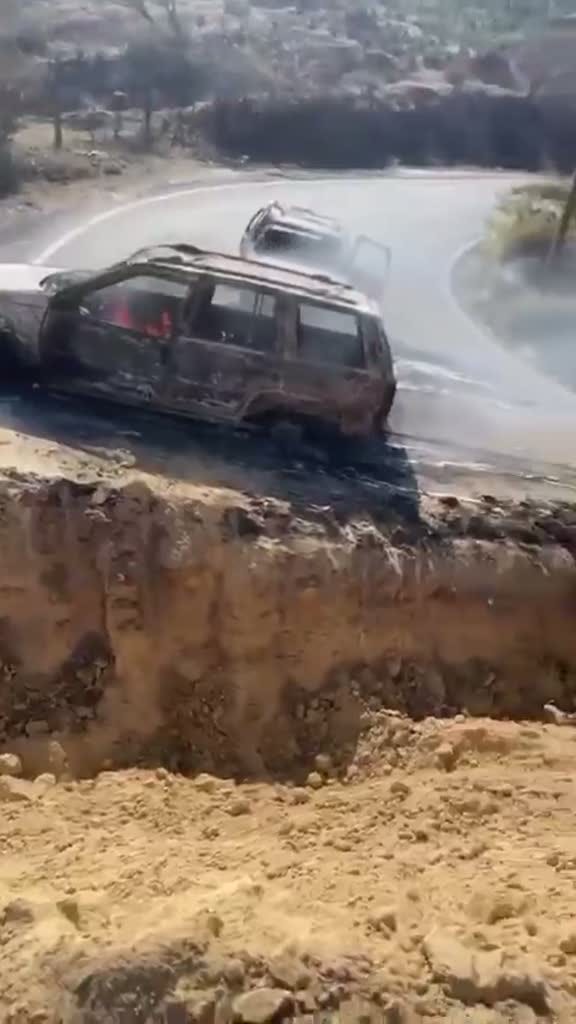
If Mexico road blockades reappear after claims of restored activity, civilian travel posture shifts from “avoid hotspots” to “assume route denial is active” for any movement through affected corridors.
If Northeast outage counts keep rising while snowfall rates remain high, civilian posture shifts toward extended-duration power loss planning rather than short-term inconvenience.
If additional U.S. diplomatic facilities in the region issue drawdowns similar to Beirut, civilian posture shifts toward broader regional instability affecting flights, lodging, and on-the-ground mobility.
If platform disruptions expand beyond isolated user reports into multi-service failure, civilian posture shifts toward offline comms plans and pre-set family check-in windows.
If further confirmed strikes hit major energy transit nodes tied to Druzhba flows, civilian posture shifts toward anticipating second-order effects in fuel pricing and availability in affected markets.
Red Flags
Confirmed armed presence disrupting an airport facility (closures, evacuation, arson threat) in your travel path.
Active highway blockades reported on your intended route with no verified bypass.
Power outage plus severe snowfall conditions with grid restoration described as delayed or deteriorating.
Formal evacuation orders expanding beyond non-emergency embassy personnel to broader citizen guidance in the same theater.
Verified multi-hour outage on primary comms platforms used by your household with no alternate channel active.
Preparedness Action Items
Domestic Security and Civil Unrest: If you have near-term Mexico travel or cross-border dependencies, re-check routing and contingency lodging now, and pre-identify “no-go” corridors that can be abandoned quickly if blockades recur.
Infrastructure and Grid Alerts: In the Northeast impact zone, treat this as an outage-first scenario: charge banks, stage lighting, confirm heat plan, and set a power-loss food plan for 48 to 72 hours.
Extreme Weather and Natural Hazards: If you must move during the storm, lock decision points ahead of time (go/no-go times, alternate shelter locations) to avoid getting trapped when conditions degrade.
Border and Immigration: Reduce reliance on a single information stream; separate operational updates from commentary, and use confirmation standards before changing travel posture based on narrative claims.
International Flashpoints: If you have personnel, family, or mission links to Lebanon or nearby, shift to “short-notice movement” posture: documents staged, comms windows set, and a preplanned extraction route that does not depend on a single flight option.
Supply Chain and Access Watch: If you are in the storm footprint, top off the few items that fail fast under disruption (prescriptions, infant supplies, heat-critical items) rather than broad “panic buying.