
Analyst Insight
This update reflects a busier and more tense operating environment than recent cycles. There has been an increase in confirmed armed actions overseas, combined with visible stress on everyday digital services and ongoing hazard monitoring inside the United States.
A common theme is contested access. Governments, militaries, and armed groups are shaping where people can move and how systems function through strikes, raids, drills, and shows of force.
At the same time, civilian-facing systems such as online platforms, transportation routes, and local infrastructure are showing signs of fragility through outages and environmental hazards.
For U.S. civilians, the direct impact remains limited in this cycle. However, exposure to fast-moving hazards, service interruptions, and indirect downstream effects is higher than normal.
The risk is less about a single event and more about how quickly conditions can change when multiple systems are stressed at once.
Domestic Security and Civil Unrest
U.S. authorities continue counternarcotics operations that now include lethal action against vessels tied to designated terrorist organizations involved in drug trafficking. These strikes signal a more aggressive posture against maritime smuggling routes and the networks that support them. While these actions are not aimed at civilians, they indicate increased enforcement activity along key maritime pathways.
Outside the United States, reports indicate that anti-regime protesters were shot during a memorial gathering in Abdanan, in western Iran. The incident highlights how public commemorations, funerals, and cemetery gatherings can become flashpoints for violence when internal security forces adopt a lethal response posture.
Separate monitoring references linked to the Tren de Aragua criminal network point to intimidation and extortion being used to control associates and communities. This shows how coercion, rather than open violence, is often used to enforce compliance, placing civilians in threat-driven environments.
Posture summary: There are no strong signals of elevated public-venue threats inside the U.S. in this cycle. Coercive control and lethal responses are more prominent abroad, but they still shape indirect risk pathways that can affect travel, migration, and organized crime dynamics.
Infrastructure and Grid Alerts
Multiple consumer-facing platforms experienced user-reported disruptions, including Xbox Network (Xbox Live), Reddit, and Overwatch 2. These outages reinforce how dependent communication and coordination have become on a small number of major platforms, especially during periods of high attention or breaking events.
U.S. monitoring also flagged an interceptor spill in the Potomac River affecting parts of Washington, D.C., and Maryland. This is a localized environmental hazard that can restrict waterfront access and affect nearby infrastructure and transportation interfaces.
At the same time, hazard monitoring shows heavy snow impacting several western and northern regions, while extreme fire weather with high winds affects parts of the Plains. These overlapping hazards suggest that response and restoration resources may be divided across multiple event types at once.
Posture summary: Digital platform reliability remains a weak point, and ongoing weather and environmental monitoring increases the need for backup communication plans, travel flexibility, and local service awareness.
Extreme Weather and Natural Hazards
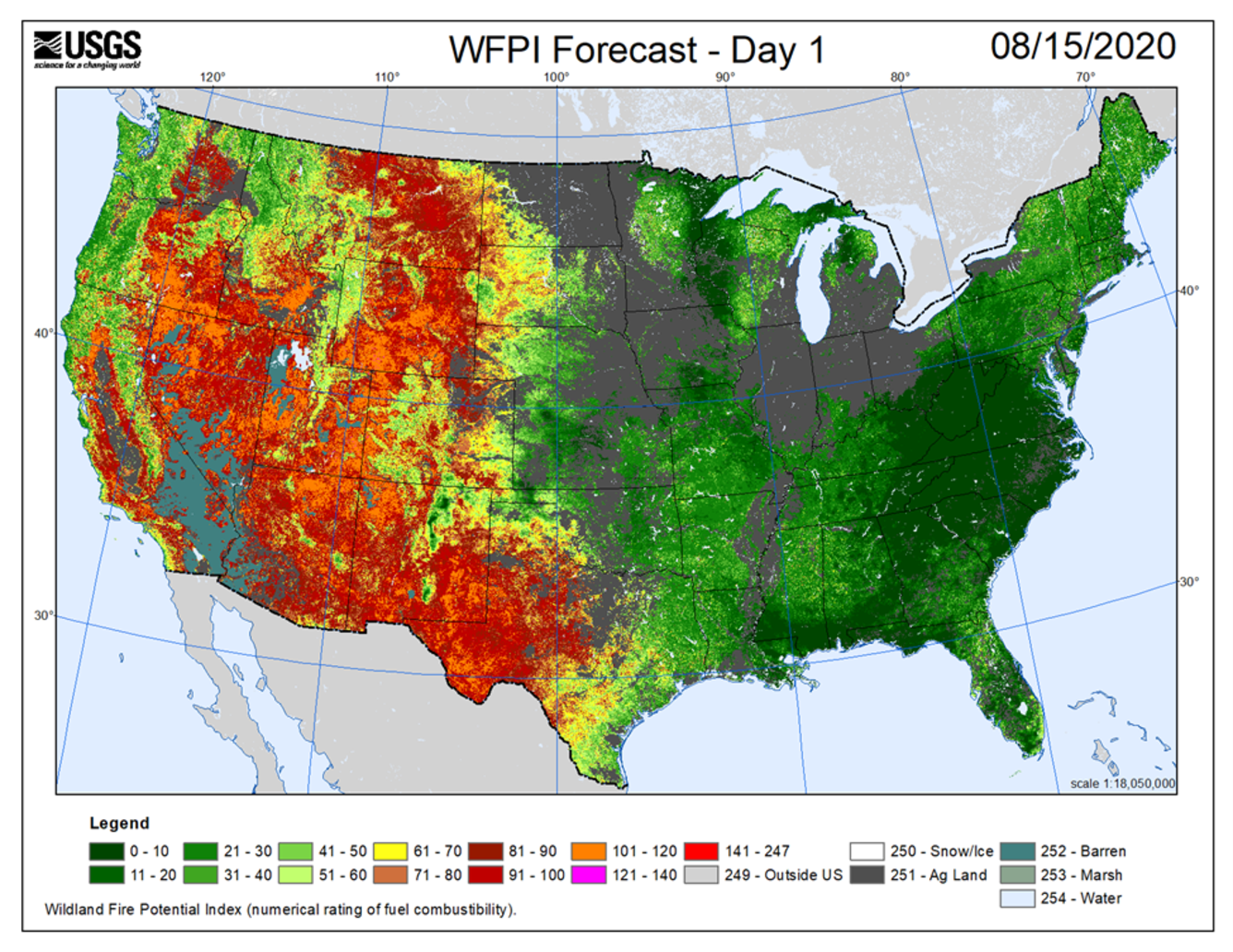
High fire danger across parts of the Great Plains is being driven by strong winds and very dry air. Under these conditions, even a small ignition source can lead to a fast-moving wildfire, quickly cutting off roads and access routes.
A rare February severe weather setup is being monitored for the Ohio Valley, with the potential for tornadoes later in the week. The risk depends on how much moisture and instability develop, but the setup supports heightened readiness for short-notice warnings.
Heavy snow is also being tracked across the West, Rockies, Plains, and Upper Mississippi Valley. With multiple regions affected at the same time, the risk shifts from isolated disruption to broader travel delays and reduced mobility options.
Posture summary: Civilian exposure is highest where wildfire spread could be rapid and where tornado potential could emerge with little warning.
International Flashpoints (Civilian-Relevant Only)
UK Maritime Trade Operations downgraded an earlier report from an “attack” to “suspicious activity” after confirming that only warning shots were fired. This correction highlights how early reporting in maritime environments can change quickly and still influence civilian and commercial behavior before facts are fully confirmed.
Iranian Revolutionary Guard drills near the Strait of Hormuz included cruise-missile launch imagery with a tanker visible nearby. This is a clear example of chokepoint signaling in a waterway critical to global oil transport, with potential downstream effects on fuel prices and shipping confidence even without an actual attack.
Israel-linked signaling points to a conditional 60-day disarmament demand on Hamas, tied to possible resumption of military operations. This reflects a time-limited pressure posture that keeps escalation risk present without indicating
Signals to Monitor
If fire starts spread rapidly in the Great Plains wind-driven risk zones, civilian posture changes to immediate mobility protection and evacuation readiness due to fast-moving fire fronts and roadway closures.
If the Ohio Valley severe setup strengthens toward higher confidence tornado potential, civilian posture changes to short-fuse shelter readiness and travel deconfliction during afternoon and early evening windows.
If consumer platform disruptions expand beyond gaming and social platforms into broader communications or payments ecosystems, civilian posture changes to redundancy use for coordination and information intake.
If maritime “suspicious activity” reports in key shipping lanes trend back toward confirmed hostile exchanges, civilian posture changes to higher expectation of shipping delays and risk pricing in affected corridors.
Red Flags
Verified ignition plus high winds in a dry-air fire-risk zone.
Tornado warnings issued during the Ohio Valley severe window.
Confirmed operational disruption that prevents primary communication channels from functioning during a hazard window.
Confirmed hostile exchange of fire in a major shipping lane after initial reclassification volatility.
Preparedness Action Items
Extreme Weather and Natural Hazards: Lock down ignition sources today in any wind-driven fire-risk area by avoiding spark-producing work and ensuring towing/vehicle gear cannot produce road sparks.
Extreme Weather and Natural Hazards: For Thursday in the Ohio Valley, pre-identify your nearest interior shelter location and set a single trigger for moving there if warnings occur.
Infrastructure and Grid Alerts: Establish a non-platform-dependent family check-in method for the next 24 hours given clustered service disruptions, using a single agreed fallback channel and check-in time.
Infrastructure and Grid Alerts: If you are near the DC-Maryland Potomac spill monitoring area, treat waterfront access and water-contact activities as higher-friction until local restrictions are clarified.
Supply Chain and Access Watch: If you are travel-dependent this week, keep one additional day of fuel margin when feasible in case weather or chokepoint-driven friction changes routing or availability.