
Rising Islamist Threats in Australia; Eastern Europe Prepares for Conflict
Analyst Insight
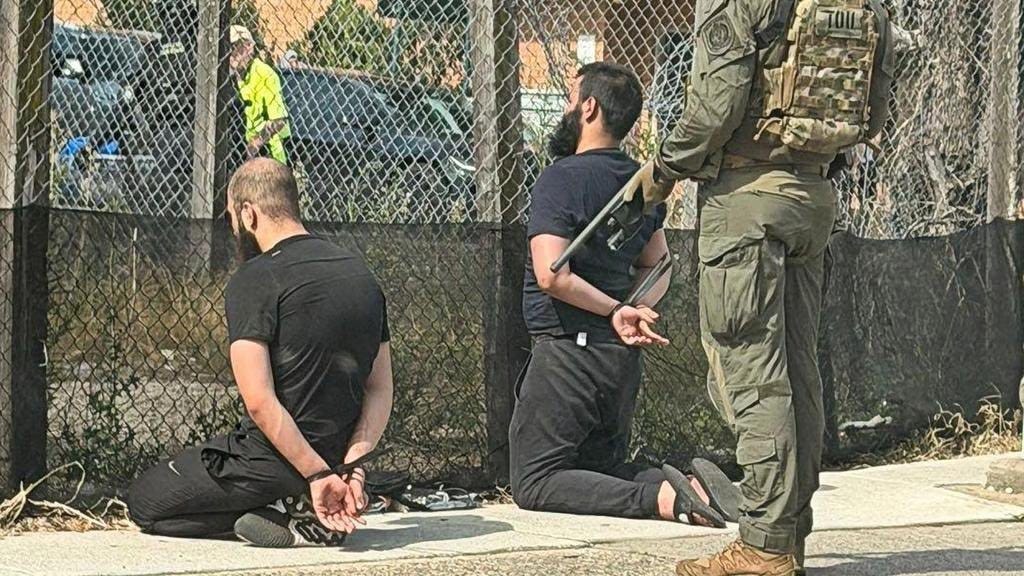
Islamist plots continued in Australia as police intercepted armed suspects allegedly heading to a vigil for victims of the Bondi Beach attack, highlighting the potential for follow‑on attacks targeting Jewish events and the need for heightened vigilance.
A 27‑year‑old Syrian thwarted from entering a Leipzig nightclub returned with an AK‑47 but failed to load it, revealing both the persistence of lone‑actor threats and weaknesses in judicial responses when he was released on bail.
Major weather across the Rockies produced hurricane‑force wind gusts and widespread power outages, while unrelated maritime tensions intensified: U.S. forces conducted another lethal strike on an alleged drug‑trafficking vessel, and Venezuela responded to U.S. blockade threats by deploying naval escorts for oil ships.
Eastern Europe saw Russian border guards cross briefly into Estonia, Poland, confirmed plans to produce anti‑personnel mines along its eastern frontier, and Iran reshuffled senior military commanders after the Israel‑Iran war…an escalation in global militarization and signaling changing defense postures.
Domestic Security and Civil Unrest
Risk summary: No high‑impact incidents occurred in the U.S.; however, thwarted attacks overseas highlight the risk of copycat plots at public gatherings.
Follow‑on Islamist plots in Australia: Australian authorities rammed a vehicle carrying five armed men on their way to a vigil for victims of the 14 December Bondi Beach shooting; police believe the suspects intended to attack Jewish mourners, indicating a continuing Islamist campaign targeting Jewish events and a vulnerability at memorial services.
Attempted nightclub attack in Germany: Security personnel in Leipzig tackled a Syrian man who returned to a nightclub with an AK‑47 after being denied entry; he failed to insert the magazine and was later released on bail, a decision that may encourage future offenders and exposes judicial gaps for politically motivated violence.
Infrastructure and Grid Alerts
High‑wind grid disruptions: Widespread power outages were reported across Washington, Oregon, Montana, Colorado, and Idaho after extreme winds downed trees and power lines. More than half a million customers lost electricity as utilities responded to damage and access issues caused by road closures and vehicle blow-overs. The multi-state scope of outages highlights ongoing grid vulnerability to high-wind events rather than equipment failure or cyber activity.
Extreme Weather and Natural Hazards
Rocky Mountain windstorm: A rapidly deepening low-pressure system east of the Canadian Rockies generated extreme wind conditions across Montana, Wyoming, and Colorado. Sustained winds of 40-55 mph with peak gusts exceeding 120 mph were recorded in exposed areas, flipping trailers and forcing highway closures. The event ranked near the upper historical range for inland windstorms and created hazardous travel and debris risks across the region.
Border and Immigration
Hybrid tunnel intrusion on the Poland-Belarus border: Polish border guards found a nearly 100‑meter‑long tunnel near Narewka through which more than 180 migrants entered Poland. Integrated surveillance allowed authorities to apprehend over 130 migrants quickly. Afghan and Pakistani nationals were the predominant group among those detained, and the tunnel, the fourth discovered this year, highlights evolving techniques to bypass border walls and suggests organized smuggling networks exploiting hybrid warfare tactics.
Russian border guards briefly enter Estonia: Three Russian border guards landed on the Narva River breakwater and walked along the structure, crossing from Russia into Estonian territory for about 20 minutes before returning. Estonia recorded the incident on surveillance, increased patrols, and scheduled a meeting with Russian counterparts; while no immediate threat was noted, the violation adds to a pattern of Russian provocations and raises risks of miscalculation along NATO’s frontier.
International Flashpoints
U.S. kinetic strike on alleged narco‑trafficking vessel: U.S. Southern Command reported that a lethal strike on an alleged drug‑running boat in the Eastern Pacific killed four male “narco‑terrorists”. It was the 26th such strike since September 2, marking a policy shift toward treating drug‑smuggling vessels as military targets.
Venezuela deploys naval escorts after U.S. blockade threat: Following U.S. President Donald Trump’s declaration of a blockade on sanctioned oil tankers, Venezuela ordered naval forces to escort ships carrying petroleum products. Several cargo vessels left Venezuelan ports under warship protection on December 17, and Caracas denounced U.S. actions as violations of international law while asserting the right to free navigation. The U.S. designated President Nicolás Maduro’s government a “foreign terrorist organization” and vowed to continue seizures, increasing the likelihood of maritime clashes.
Poland to manufacture anti‑personnel mines: Warsaw confirmed that it will restart anti‑personnel mine production for the first time since the Cold War as part of its East Shield program, planning to deploy mines along its 800 kilometer eastern border and potentially export them to Ukraine. Deputy Defense Minister Paweł Zalewski said production should begin as soon as Poland completes its withdrawal from the Ottawa Convention, and the state‑owned manufacturer expects demand for 5-6 million mines. This move aligns with other Baltic states quitting the landmine ban treaty and represents a significant escalation in regional defense posture.
Iran reshuffles air and air defense leadership: Iran’s Supreme Leader Ali Khamenei removed Brigadier General Hamid Vahedi as Artesh Air Force commander and reassigned Brigadier General Alireza Sabahi Fard from his dual roles, appointing Brigadier General Bahman Behmard and Brigadier General Alireza Elhami to key air force and air defense posts. Analysts suggest the changes reflect dissatisfaction with Iran’s air defense performance during the June Israel‑Iran war and indicate a push to improve capability by acquiring advanced systems. The restructuring, alongside Iran’s ongoing negotiations for Russian S‑400 systems, signals internal instability and preparation for future conflicts.
Supply Chain and Liberty Watch
Grid and supply‑chain stress from wind storms: Hurricane‑force winds in the Pacific Northwest and Rockies not only toppled vehicles and infrastructure but also interrupted road freight corridors and threatened rail lines. The resulting power outages across multiple states disrupted heating and communications, illustrating the fragility of logistics during extreme weather and reinforcing the need for backup fuel and generator capacity.
Maritime trade risk: U.S. attacks on alleged drug‑trafficking vessels, coupled with Venezuela’s naval escorts for oil tankers, increase the probability of naval engagements that could disrupt shipping lanes through the Caribbean and Eastern Pacific; supply‑chain managers should monitor vessel movements and contingency plans.
Signals to Monitor
Additional arrests or intelligence indicating coordinated Islamist cells targeting memorial services or Jewish events.
Legal and political response to the Leipzig attempted shooting, particularly whether bail policies are tightened for terror‑related offenses.
Reports of further Russian incursions along NATO borders or additional tunnels under the Poland–Belarus frontier.
Frequency and geographic expansion of U.S. strikes on narco‑trafficking vessels and any retaliatory actions by cartels or designated terrorist organizations.
Iranian procurement of advanced air defense systems and any subsequent military appointments that could alter regional balance.
Red Flags
Credible threats or attacks against religious vigils or houses of worship, particularly in diaspora communities.
Confirmation of injuries or fatalities from high‑wind events or cascading failures in regional power grids.
Russian border incursions accompanied by force or shots fired, signaling deliberate escalation.
Discovery of weaponized tunnels or use of explosives in smuggling routes along the Poland-Belarus border.
Direct naval confrontation between U.S. and Venezuelan vessels or seizure of escorted tankers.
Preparedness Action Items
Enhance event security: Coordinate with law enforcement and community organizations when organizing vigils or large gatherings, particularly those connected to high‑profile attacks abroad; implement access control and surveillance, and rehearse rapid evacuation plans.
Prepare for power outages: Stock extra batteries, fuel, and non‑perishable food; maintain a charged backup power source; and avoid travel in high‑wind warnings by monitoring local forecasts.
Monitor international travel and shipping: For teams operating near European or South American borders, review travel risk assessments and monitor official advisories regarding border tensions and maritime blockades.
Adapt supply‑chain contingencies: Diversify routes and carriers to account for potential maritime disruptions and ensure that critical shipments can be rerouted or delayed without jeopardizing mission objectives.
Track defense policy shifts: Volunteers or humanitarian teams in Eastern Europe should be aware of new mine‑deployment zones and heed official guidance on restricted areas once Poland’s East Shield project begins.
The juxtaposition of security threats and extreme weather in the same brief actually makes alot of sense from a preparedness standpoint. When infrastructure gets hammered by windstorms (like those 120mph gusts in the Rockies), response capacity for other incidents shrinks fast. I've noticed that multi-threat scenarios tend to expose gaps in redundancy planning that look fine on paper. The point about grid vulnerability being weather-driven rather than cyberattacks is worth emphasizing because it affects how communities allocate resources. Solid brief overall, appreciate the actionable breakdown at the end.