
The Man Who Said No to Data Sharing - and Found Out It Was Too Late
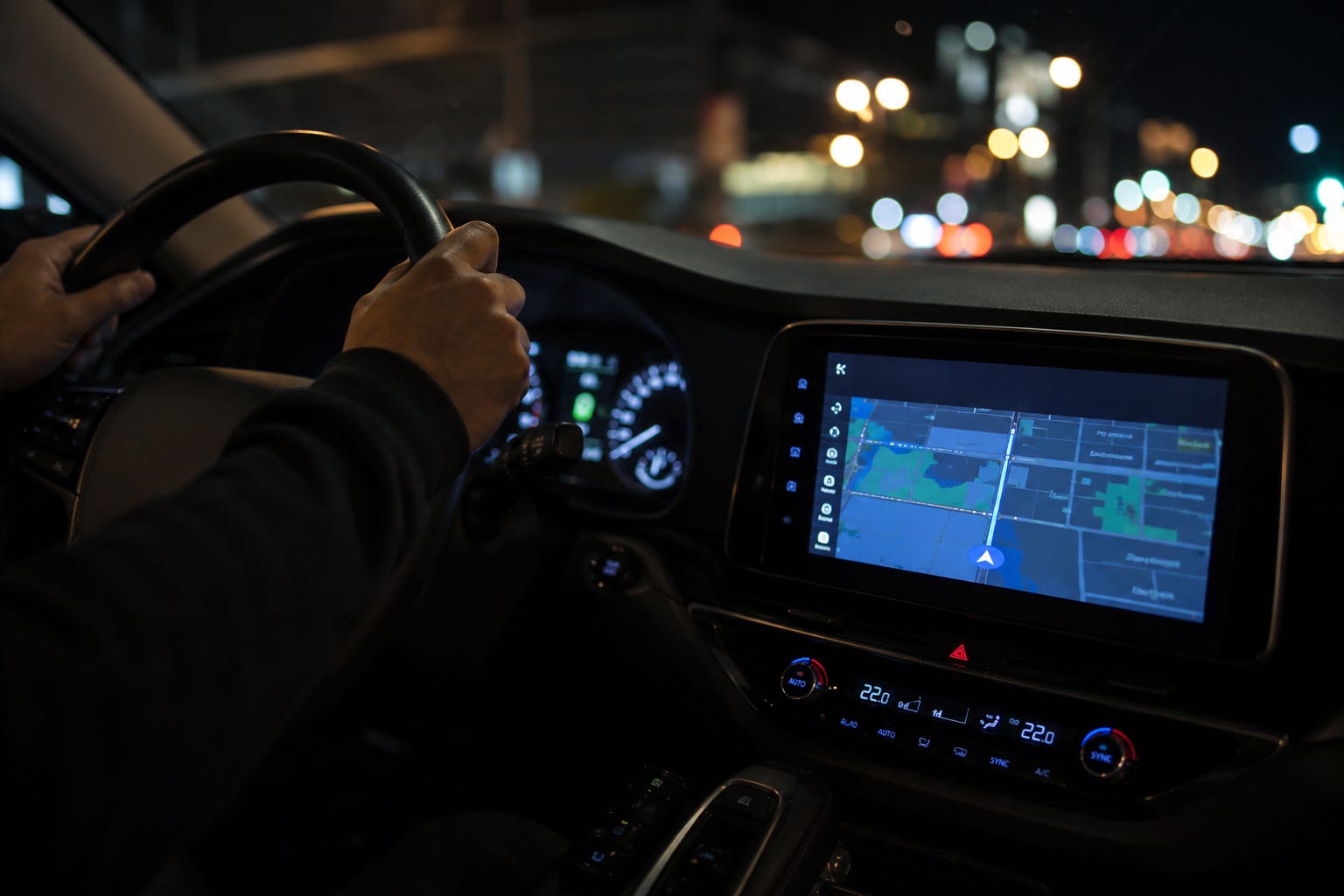
Philip Siefke bought a Toyota RAV4 in 2021. He never signed up for a driving data program. He never agreed to let anyone track his speed, his braking, his cornering, or where he went.
In January 2025, he tried to get a new insurance policy with Progressive. During the online signup, he specifically opted out of Progressive’s Snapshot program…the one that tracks your driving and adjusts your rate accordingly. He declined and clicked the "no" button.
A popup appeared, and it told him Progressive already had his driving data.
He had never given it to them.
What Siefke found out the hard way is something most American drivers still don’t know: opting out of your insurance company’s data collection program does nothing if your car manufacturer already sold your driving history upstream.
The data left without his consent before he ever sat across from an insurance form. By the time he clicked “decline,” the transaction was already done.
How Your Car Became a Surveillance Device
Modern connected vehicles are rolling data collection platforms.
Every car sold in the last several years with a cellular connection, a smartphone integration system, or a manufacturer app is generating a continuous stream of information: your location, your speed, how hard you brake, how fast you accelerate, how sharply you corner, whether you wear your seatbelt, what time you leave, and where you go.
That data does not stay in your car. It transmits to your manufacturer’s servers, and from there, depending on which automaker you drive and which connected services you use, it moves into a pipeline that runs through data aggregators, consumer reporting agencies, and eventually to your insurance company.
The companies in the middle of that pipeline, LexisNexis Risk Solutions and Verisk are the two largest, are not household names.
But they are the reason your insurance premium can go up without you ever filing a claim, getting a ticket, or being in an accident.
They build driving behavior profiles from manufacturer-supplied telematics data and sell access to those profiles to insurers.
A 2024 analysis found that drivers flagged in LexisNexis telematics reports paid between 12 and 21 percent more on average than drivers without those flags.
One 65-year-old driver of a Chevy Bolt saw his premium jump 21 percent.
When he shopped around for better rates, every insurer quoted him high…because every insurer was pulling the same LexisNexis report.
He had not been in an accident and had not received a ticket. His car had been talking about him.
One driver who requested his LexisNexis disclosure file found a report documenting 640 individual trips…with start and end times, distances, speeds, hard braking events, and fast acceleration.
He had not signed up for any program and had not consented to any monitoring. His manufacturer had simply been transmitting.
The Cases That Made It Visible
Three enforcement actions in the last 18 months have put specifics on what was previously buried in terms of service.
GM and OnStar. General Motors ran a program called Smart Driver…marketed as a free feature inside its connected car apps that tracked driving behavior and rated it.
The pitch was improvement and safety.
The reality was that GM was selling that data to insurance companies and consumer reporting agencies without clear disclosure or meaningful consumer consent.
The FTC finalized a settlement order in January 2026. GM and OnStar are now banned from sharing driving data with consumer reporting agencies for five years.
For the next 20 years, GM must obtain affirmative express consent before collecting, using, or sharing any connected vehicle data.
The company was also required to delete or destroy previously collected driver data. GM paid $12.75 million in a separate civil settlement.
Allstate and Arity. Allstate’s data analytics subsidiary Arity built what the company described as the world’s largest driving behavior database…collecting data from 45 million Americans.
The method: Arity paid third-party app developers to embed tracking software inside apps that had nothing to do with driving or insurance (GasBuddy, Fuel Rewards, Routely).
Drivers who downloaded these apps to find cheap gas or earn fuel points were unknowingly transmitting their driving behavior to an Allstate subsidiary, which used the data to justify raising premiums, denying coverage, or dropping policyholders entirely.
Texas Attorney General Ken Paxton filed suit against Allstate and Arity in January 2025…the first enforcement action ever brought under a state comprehensive data privacy law.
A federal court has also kept wiretap and Fair Credit Reporting Act claims alive in a related class action.
Toyota and Connected Analytic Services. The Siefke lawsuit, filed in April 2025, names Toyota and Connected Analytic Services (CAS), a consumer reporting agency and data aggregator, for collecting location, speed, direction, braking, swerving, and image and voice data from Toyota vehicles and sharing it with Progressive, marketing agencies, law enforcement, and auto finance companies.
The plaintiff’s experience, opting out of a data program only to be told the data was already in the insurer’s hands, is the clearest illustration of how this system is designed.
Consent is offered downstream, after the collection has already happened upstream.
The full breakdown, including which specific manufacturers and apps are confirmed feeding data into insurance pipelines right now, what your LexisNexis driving file contains and how to request it, and the five specific steps to limit what your car reports, is available to paid subscribers. Join Prepared Brief to read the rest.
