
Twin Cities targeted violence; major winter storm and extreme cold window widening
Analyst Insight
The highest near-term risk is a compounding stack: escalating Minneapolis-area unrest with reported targeting behaviors, plus a major winter storm and dangerous cold window that can degrade mobility, response times, and basic household utilities.
Separately, concurrent indicators point to elevated grid-risk from both geomagnetic storm conditions and deliberate attacks on power infrastructure overseas, reinforcing that power and communications continuity should not be assumed.
For prepared citizens, today is about tightening posture around travel, exposure, and short-notice disruptions.
Domestic Security and Civil Unrest
Minneapolis-area unrest posture is described as shifting from protest dynamics into targeting behavior against civilians, with secondary risk to churches and other soft targets from misidentification and crowd-driven violence.
Federal posture is described as moving toward contingency deployment, with troops placed on standby for Minnesota and an Insurrection Act framing mentioned, signaling a readiness threshold change.
Threat posture is described as moving from rhetoric to disruption, with bomb threats against hotels in the Minneapolis region creating a pattern of intimidation that can shut down normal services and movement.
Risk summary: Elevated misidentification and crowd-violence risk, plus higher odds of sudden closures and disrupted movement in the Twin Cities area.
Infrastructure and Grid Alerts
A strong solar storm is described as a credible risk to power systems and navigation, highlighting a vulnerability window for grid instability and degraded GPS-dependent movement and logistics.
A winter-storm-driven utility failure pattern is described (power outages, freezing homes, plumbing failures), pointing to practical fragility at the household level even before broader infrastructure impacts.
Risk summary: Treat power and navigation reliability as degraded-risk during the storm window and solar activity risk period.
Extreme Weather and Natural Hazards
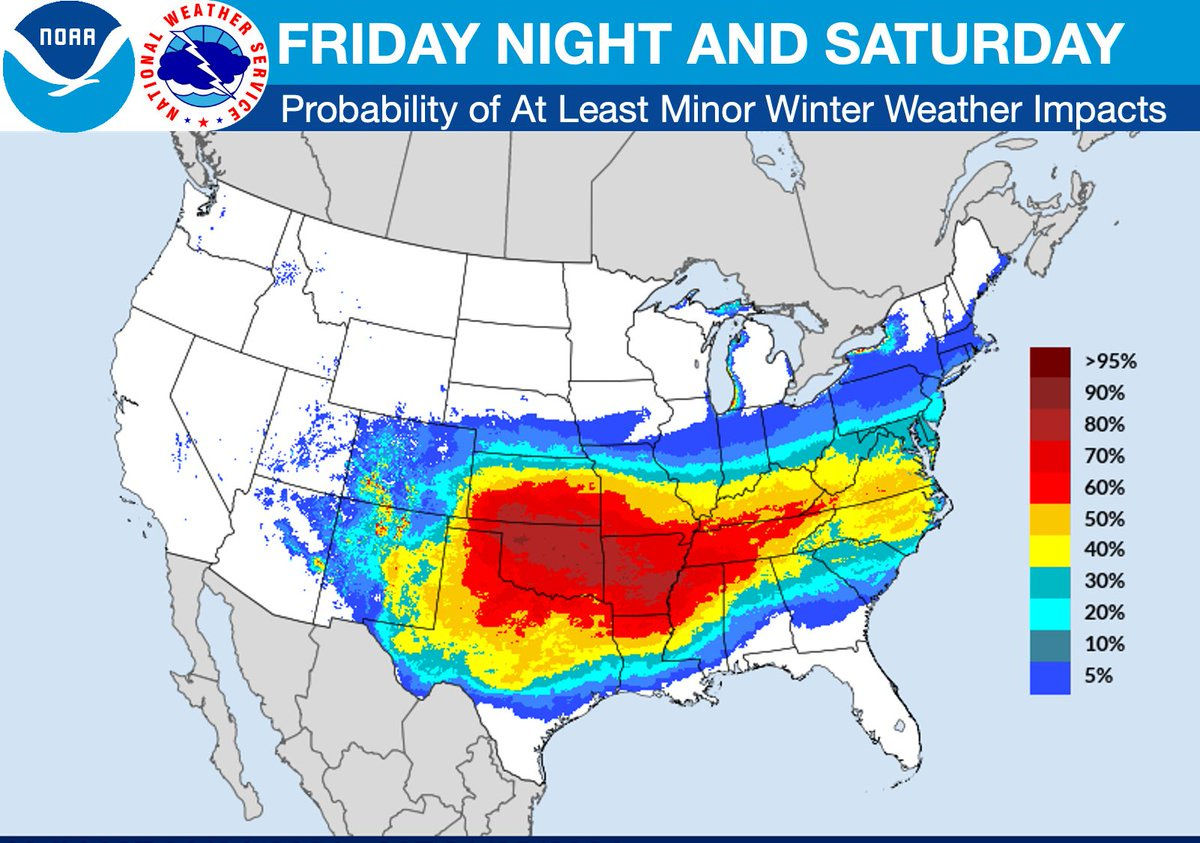
A major winter storm with ice and heavy snow is likely Friday-Saturday from Texas to the East Coast, carrying high risk of power outages and transportation disruption.
At the same time, a dangerous cold wave impacting roughly 100 million, with subzero wind chills across the Northern Plains, increases risk of cold exposure, vehicle failure, and brittle infrastructure.
This system also drives a rare southern winter storm Friday-Sunday, raising the likelihood of prolonged ice impacts in regions less adapted to sustained freezing conditions.
Risk summary: This is a near-term 72-hour preparedness driver, with travel and power risks as the main civilian hazards.
Border and Immigration
Anti-ICE protest activity is described as intensifying in Minneapolis with business losses and threat-driven closures, indicating a volatility loop where enforcement and protest cycles degrade normal commerce and mobility.
Risk summary: Expect localized mobility friction and unpredictable flashpoints around enforcement-adjacent locations.
Church, Mission, and Civilian Safety
Armed gangs are described as kidnapping 160 Christians from Nigerian churches, indicating a high-impact targeted threat pattern against church communities.
Risk summary: For overseas church or humanitarian contexts, treat mass-abduction risk as a primary planning variable in high-risk regions.
International Flashpoints
Chernobyl Nuclear Power Plant lost external power following attacks on Ukrainian substations, reinforcing the pattern of power infrastructure being deliberately targeted in modern conflict.
An unclaimed blast in Afghanistan killed seven, indicating active terrorist risk and uncertainty around potential follow-on attacks.
Wildfires in Chile have killed 19 and forced large-scale evacuations, demonstrating how quickly civil infrastructure can be overwhelmed during major natural hazards.
Risk summary: The consistent vulnerability thread is infrastructure targeting or overload, with downstream effects on power, movement, and communications.
Supply Chain and Liberty Watch
A complete internet shutdown in Iran is described as ongoing for over 280 hours, reinforcing communications fragility and the feasibility of extended blackouts during crisis posture.
Risk summary: Communications denial is not theoretical; plan for low-connectivity operations and information gaps.
Signals to Monitor
Reports of threats or closures expanding beyond Minneapolis hotels into broader service-sector targets (fuel, grocery, hospitals, shelters).
Escalation markers in unrest environments: improvised explosives use, organized targeting lists, coordinated intimidation of services.
Power reliability indicators: extended outages, regional load shedding, or navigation anomalies during the solar-storm risk window.
Red Flags
Any verified shift from threats to actual attacks on lodging, shelters, or critical nodes (power substations, telecom sites).
Rapid expansion of violence outside a defined protest footprint (random targeting, misidentification attacks).
Multi-day ice event forecast upgrades or rapid drop in expected temperatures that increases burst-pipe and heating failure risk.
Preparedness Action Items
Travel posture: Pre-decide no-go windows for Friday through Sunday travel in the affected storm corridor, and stage alternate routes plus a hard turnaround rule for ice conditions.
Power and heat: Stage a 72-hour no-grid plan (heat, water, lighting) and assume at least one night without reliable power during the storm window.
Comms: Print or write down key numbers and rendezvous plans; assume intermittent connectivity during peak weather and any solar-storm effects.
Civil unrest hygiene: Avoid enforcement-adjacent areas and flashpoint corridors in Minneapolis; reduce profile, avoid engagement, and keep rapid egress options.
Preparedness Focus of the Day
Cold combined with civil unrest creates a compounding risk environment. Preparedness focus should be on minimizing outdoor exposure, limiting discretionary travel, and making faster go or no-go decisions as conditions change.