
Your Tornado Kit Is in the Wrong Room
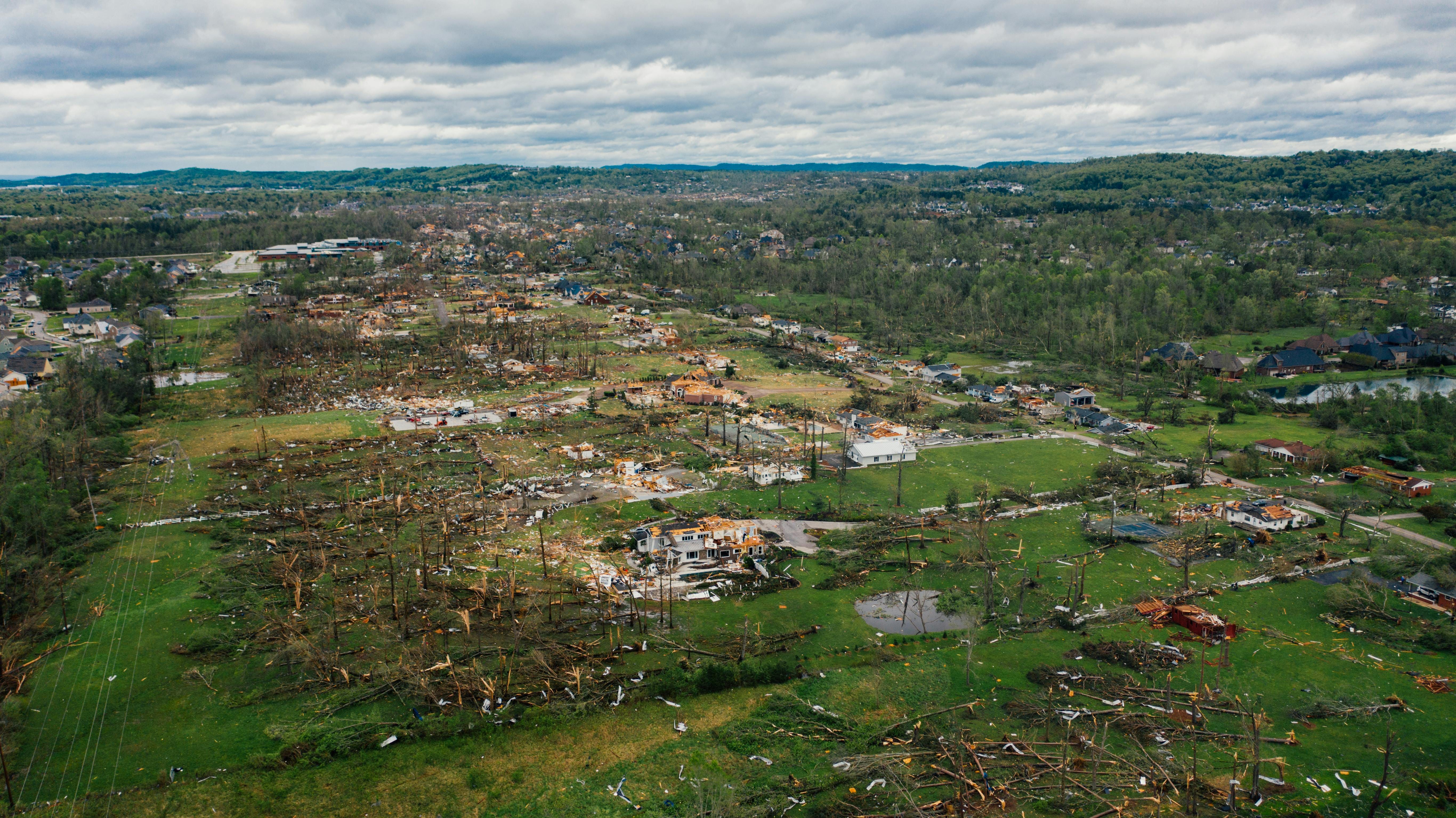
The tornado is gone before you can fully process what happened. Ninety seconds, maybe less. Then it goes quiet in a way that doesn’t feel right.
You’re in the closet, or the bathroom, or wherever you went. You’re okay. Now you open the door.
What comes next is where most tornado injuries actually happen. Not the tornado itself. The aftermath. You’re in the dark. There’s drywall dust and insulation in the air. You smell something you can’t quite place. The hallway looks wrong.
Whether you handle the next 60 minutes well or badly comes down to one thing: what’s in that shelter space with you right now.
The kit stored anywhere else is useless.
Most people who have a tornado kit keep it in the garage, a utility room, or stacked in a hall closet.
That works for a drill. In a real event, the space between your shelter and that kit may be blocked by debris, collapsed walls, or exposed structure.
You may not be able to get there. You definitely can’t get there safely if the building took a direct hit.
Everything below goes in the shelter space. Not near it. In it. If it doesn’t fit, prioritize until it does.
One more thing before the kit: know the difference between a watch and a warning.
A tornado watch means conditions are favorable and a tornado is possible.
A tornado warning means one is confirmed on the ground or radar-indicated.
When a warning is issued for your location, you have minutes at most. You go to the shelter, you close the door, and the kit is already there.
What goes in the kit, and why
Break it into three groups: immediate survival, protection, and the hours after.
Immediate Survival (First 60 Minutes)
Hand crank weather radio
Our phone may work after a storm. It may not, cell towers take damage. Even if service holds, the battery won’t.
A hand-crank radio gives you NOAA broadcasts, weather updates, and emergency alerts without needing power or a charged device. This is the one item you should not cut.
Flashlight with extra batteries and a headlamp
You want your hands free when you’re moving through debris. Use the headlamp for work, the flashlight as backup. Both go in the kit with batteries already installed.
First aid - real first aid
Drugstore kits handle splinters. They are not built for trauma. If you’re moving through debris with exposed structural material, lacerations and puncture wounds are realistic outcomes. Add QuikClot or hemostatic gauze, a tourniquet, and wound closure strips. Take a Stop the Bleed course before you need to use any of it.
Whistle
If the structure collapses around you and you can’t move, a whistle carries farther than a voice and requires almost no energy. Put one in the kit. Put another on a keychain for each person in the household.
Protection
N-95 masks for every person
Tornadoes pull everything into the air: insulation, mold, asbestos from older structures, and chemicals from garages and storage areas. The air after a structural event is not clean. Put a mask on before you start moving.
Heavy leather gloves
Roofing nails, broken glass, splintered framing, and moving debris with bare hands are how a survivable event becomes a serious injury. Gloves go in the shelter kit, not in the garage.
Fire extinguisher
Gas lines break. Electrical shorts happen. A fire starting inside a compromised structure spreads fast because the walls are already open. Keep a small extinguisher in the shelter space and know how to use it.
Gas shutoff wrench or channel lock pliers
If you smell gas after the storm, you need to shut it off at the meter. You need a tool to do that. If your usual tool was in the garage and the garage is gone, you don’t have a tool. Dedicate a pair to the kit.
Clothes and shoes for everyone
This one gets skipped constantly. If you shelter in pajamas and your bedroom is destroyed, you’re going to walk through broken glass and debris in socks. Pack a sturdy pair of closed-toe shoes and a basic set of clothes for each person.
The Hours After
Water, one gallon per person in small consumer-size bottles.
Municipal water is often contaminated or offline after a major event. Small bottles fit better in a confined shelter space and are easier to ration.
Snacks, one day per person
You’re not building a long-term cache. You’re building for the period between the storm and when you can assess and move. One day of calories per person is the right scope.
Emergency blankets
If the structure is open to the sky, temperature becomes a problem faster than most people expect. Mylar blankets pack flat and provide real warmth.
Ponchos or contractor trash bags
Waterproofing matters for rain exposure after the storm and for keeping debris out of open wounds while you move.
Hand sanitizer and toilet paper
Post-disaster sanitation gets overlooked. Sewage infrastructure often takes damage in tornado events. Plan for it now.
Cash
If regional power is out, ATMs and card readers are down. Cash gets you gas, food, and lodging.
Local maps
Cell service and GPS are unreliable in major storm events. A paper map of your county is cheap insurance.
Extra car key and house key
If your primary set is buried in debris, you need a backup.
Special supplies
Medications, diapers, hearing aid batteries, mobility aids…whatever your household needs in the first 24 hours belongs in this kit.
Pet supplies
Food, water, a bowl, and a leash. A stressed dog loose in a debris field is a problem you don’t need. Address it before the storm.
Before You Call This Done
The kit assembled and never practiced is a box full of guesswork. Run the scenario once with your household. Everyone goes to the shelter space on a normal afternoon. Where does everyone fit? Can you access the kit in the dark? Does everyone know what the whistle is for?
Also, keep a NOAA Weather Radio in your primary living area, not just the shelter space. The shelter kit handles what comes after. The radio handles the warning that gets you there in time.
What to Do
Identify your shelter space today. Small, windowless, interior room on the lowest floor. Decide now.
Move the kit into that space today. If it doesn’t fit, start with the priorities: water, first aid, flashlight, radio, masks, gloves, shoes, cash.
Add a tourniquet and hemostatic gauze to your first aid kit. Take a Stop the Bleed course before you need them.
Put a whistle in the shelter kit and one on each person’s keychain or bag.
Run a shelter drill with your household before storm season. Know where everyone goes and in what order.
One more thing
The item most people skip is the shoes.
After talking with people who have been through tornado events, one pattern consistently comes up: the injuries that happened during recovery, not during the storm itself.
People walking through debris fields to check on neighbors, find pets, or reach their cars…in socks, sandals, or bare feet. The tornado lasts 90 seconds. The debris field is hours. Pack the shoes.
Very good advice